When a Stadium Becomes a Chessboard: Lessons from the First Match at Kanjuruhan
Estimasi Waktu Baca: 5 menit
Key Takeaways
- Pressing can dictate the tempo but may expose counter‑attack vulnerabilities.
- Substitutions at the right moment can shift the rhythm of the game.
- Early goals create a psychological advantage that teams must manage.
- Mid‑game tactical switches demonstrate the importance of adaptability.
- Set‑piece strategy remains a decisive factor in tight matches.
Daftar Isi
- Opening
- The Early Dance: Tempo, Rhythm, and the First Decision
- Mid‑Game Shifts: The Role of Substitutions and Mental Resilience
- The Final Minutes: How a Single Decision Can Define a Match
- What the First Match Tells Us About the Future
- Closing Thoughts
Opening
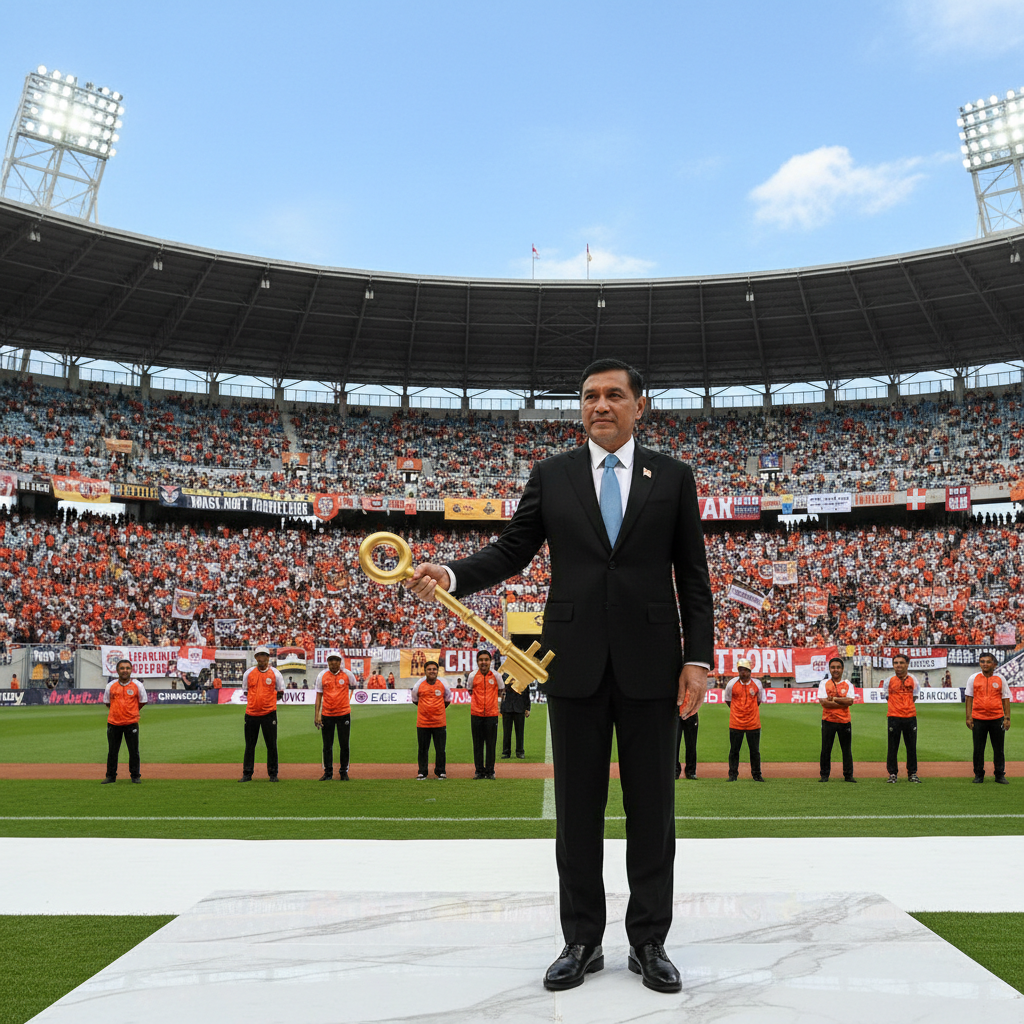
The lights of Kanjuruhan blazed brighter than the city’s skyline on that January evening. A sea of fans, their banners fluttering like a sea of flags, filled the newly‑renovated stands. When the referee’s whistle finally cut through the night, the first official kick‑off at the stadium felt less like a match and more like a ceremony. Yet, beneath the pomp and the applause, a subtle game was already underway—one that would test the teams’ patience, the coach’s patience, and the very rhythm of football. For anyone who had watched the match, the real question was not who scored, but why the play unfolded as it did. And that is where the analysis begins.
The Early Dance: Tempo, Rhythm, and the First Decision
From the very first minute, the two sides—Persib Bandung and Persija Jakarta—displayed contrasting philosophies. Persib, under their new manager, had promised a high‑pressing style. Their players pushed forward almost immediately, eager to dictate the tempo. Persija, however, opted for a more measured approach, keeping possession in the midfield and looking for the right moment to strike.
The first half saw a classic “who‑goes‑first” dilemma. Persib’s relentless pressing forced Persija into a series of quick, short passes. Yet, the defenders’ composure kept the ball moving, and the tempo remained steady. The turning point came in the 23rd minute, when a misplaced back‑pass from Persija’s defensive midfielder allowed Persib’s winger to break free. The winger’s sprint, coupled with a precise cross, found the striker in the box. The goal was not a product of a brilliant individual effort but of a tactical decision: Persib’s early pressure had forced Persija into a defensive posture, creating a space that Persib exploited.
Why did this decision matter? Because it set a precedent. When a team breaks the rhythm of the opposition, it forces the other side to adapt, often at the expense of their own strategy. Persija’s attempt to maintain possession was disrupted, and the momentum shifted, even if the scoreline remained level.
Mid‑Game Shifts: The Role of Substitutions and Mental Resilience
The second half began with a noticeable change in pace. Persija’s coach, wary of the early setback, made a substitution at the 55th minute, bringing on a more experienced midfielder known for his composure. The change was subtle but significant. The midfield now had a player who could hold the ball longer, allowing Persija to build attacks more patiently.
Meanwhile, Persib’s coach decided to replace his starting striker with a younger, faster forward. The move seemed risky, but it paid off. The new striker’s agility disrupted Persija’s defensive shape, and his presence forced the defenders to shift, creating gaps that Persib’s midfielders could exploit. The tactical swap exemplified a classic chess move: sacrificing a piece (the seasoned striker) to gain positional advantage.
The psychological impact of these substitutions cannot be understated. Persija’s confidence, already shaken by the early goal, began to waver. Their attempts at possession became tentative, and the tempo slowed. Conversely, Persib’s players, buoyed by the tactical changes, played with renewed vigor. By the 75th minute, the gap in the scoreline widened, not because of a spectacular goal, but due to a series of small, cumulative advantages—an embodiment of the “small wins” principle in football strategy.
The Final Minutes: How a Single Decision Can Define a Match
In the dying minutes, Persija’s coach made a bold decision: he brought on a striker with a strong aerial presence, hoping to capitalize on set‑pieces. The move seemed like a last‑ditch effort, but it also highlighted a crucial point about decision‑making under pressure. Persija’s attempt to change the game’s dynamics by altering the player profile showed that tactical flexibility is essential, especially when the scoreboard is tight.
Unfortunately for Persija, the attempt fell flat. Persib’s goalkeeper, anticipating the aerial threat, made a decisive save that sealed the match. The final whistle confirmed that the early decision to press hard had paid dividends, and the team’s ability to adapt during the game had solidified their advantage.
What the First Match Tells Us About the Future
The inaugural game at Kanjuruhan was more than a novelty; it was a microcosm of modern football’s strategic evolution. Here are five take‑aways that will shape how we view future matches at the stadium and beyond:
- Pressing as a Double‑Edged Sword – The early high‑pressing strategy forced Persija into a defensive posture. While it yielded immediate results, it also left Persib’s midfield exposed to counter‑attacks. Teams will need to balance aggression with defensive solidity.
- Substitution Timing Matters – Persija’s late‑half changes showed that the right player at the right moment can shift the game’s rhythm. Coaches will be scrutinized for their ability to read the match’s flow and adjust accordingly.
- Psychological Momentum – The early goal created a psychological advantage for Persib. Future matches will test whether teams can maintain composure after conceding or capitalize on a lead.
- Adaptability on the Pitch – Persib’s tactical switch from a seasoned striker to a faster forward demonstrated the importance of adaptability. Teams that can pivot mid‑game will have a higher chance of success.
- Set‑Piece Strategy – Persija’s reliance on aerial threats in the final minutes highlighted the ongoing importance of set‑piece tactics. A well‑executed set‑piece can be the difference between a win and a loss.
Closing Thoughts
The first match at Kanjuruhan was a reminder that football is as much about strategy as it is about skill. The decisions made by coaches, the tempo set by players, and the psychological resilience of teams all intertwine to create the tapestry we see on the field. As fans, we often focus on the final whistle, but the real story lies in the moments leading up to it—the tactical gambits, the subtle shifts in rhythm, the psychological battles.
If you’re watching the next game at Kanjuruhan, keep an eye on how the teams adapt their pressing patterns, when they introduce fresh legs, and how they respond to the psychological pressure of the scoreline. These are the nuances that separate a good team from a great one.
And as always, for those who want to dive deeper into the strategic layers of football—beyond the pitch—check out catur188 for a fresh perspective on the game’s intricate dynamics.
FAQ
-
What was the main tactical advantage Persib gained from high‑pressing?
It forced Persija into defensive errors, creating space for Persib’s attackers.
-
Why did Persija choose a more experienced midfielder at 55 minutes?
To stabilize the midfield and build attacks more patiently after the early setback.
-
How did the substitution of a younger forward impact Persib’s strategy?
The faster forward disrupted Persija’s defensive shape, creating gaps for midfielders to exploit.
-
What role did set‑pieces play in the final minutes?
Persija attempted to capitalize on aerial threats, but the effort was thwarted by a decisive save from Persib’s goalkeeper.